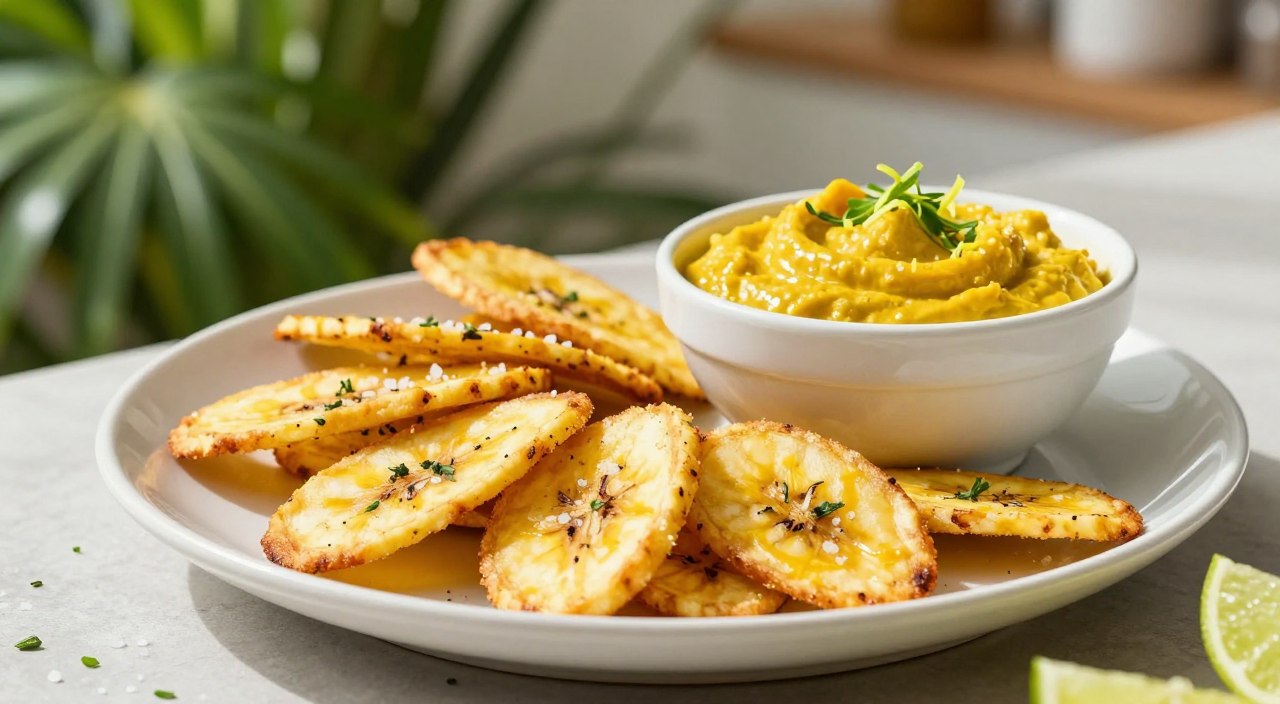
Do you ever crave something truly satisfying to crunch on? That perfect snack that feels like a treat but still aligns with your wellness goals can feel impossible to find. We understand that search all too well.
Today, we’re changing that. Imagine a golden, crispy creation paired with a vibrant, zesty dip. This combination brings together incredible flavor and nourishing ingredients.
This guide is your ticket to a delicious and gluten-free option you can feel great about. You will learn to make this incredible treat from scratch. It’s simpler than you think!
Get ready to delight your taste buds with a homemade recipe that rivals any store-bought bag. Let’s create a snack that supports your healthy lifestyle without any compromise on taste.
Introducing Your New Keto Snack Adventure
Get ready to transform your snack routine with a delicious and wholesome creation. This journey is about more than just following a recipe; it’s about discovering a smarter way to enjoy your favorite treats.
When you make these crispy delights at home, you gain complete control. You choose high-quality oils like avocado oil, which adds healthy fat. This is a far cry from the questionable ingredients often found in store-bought bags.
The financial benefit is just as impressive. A single green fruit costs around 50 cents. Compare that to spending two or three dollars on a commercial bag. Your homemade plantain chips save you money while being vastly superior.
This simple approach fits many healthy lifestyles. Your creation can easily be paleo, vegan, and Whole30 compliant. You are crafting a gluten free option that truly supports your wellness goals.
This is your opportunity to take charge. You can create a snack that is both incredibly satisfying and genuinely good for you. The adventure begins in your own kitchen.
What Makes Plantains Special for Your Recipe?
Have you ever wondered what sets plantains apart from other snack ingredients? These versatile fruits bring unique qualities to your kitchen that make them perfect for creating wholesome treats.
Understanding their characteristics helps you appreciate why they work so well in your healthy recipes. Let’s explore what makes them stand out.
Understanding the Plantain vs. Banana Difference
While they look similar, plantains and bananas serve different purposes in cooking. Plantains are starchier and less sweet when green, making them ideal for savory preparations.
They hold their shape better during baking, giving you that perfect crispy texture. This structural difference is key to achieving successful results in your recipe.
Nutritional Benefits for a Healthy Lifestyle
These fruits pack an impressive nutritional punch. They’re rich in potassium, vitamins C and A, and magnesium—all essential for your body’s optimal function.
The high fiber content supports digestive health and helps you feel satisfied longer. Since they’re naturally low in fat, you control the amount of healthy oil added.
This approach keeps calories reasonable while enhancing flavor. Your creation becomes a gluten free option that truly nourishes your body.
Gathering and Prepping Your Ingredients
Great results in the kitchen start with selecting the finest components. The quality of your raw materials directly influences your final, delicious creation. Let’s ensure you pick the best items for a successful outcome.
Choosing Green Plantains and Key Oils
Your first stop is the produce aisle. Look for fruits that are completely green with no yellow spots. These firm, starchy green plantains are perfect for achieving a crispy texture.
At roughly 50 cents each, this approach is incredibly cost-effective. You get far more value than buying pre-made bags.
For your cooking oil, avocado oil is a top choice. It has a high smoke point and a neutral taste. This oil also contributes heart-healthy fats.
If you prefer, coconut oil or olive oil work well too. The key is using a heat-stable oil like avocado oil for the best results. Your careful selection of these core ingredients sets the stage for a fantastic snack.
Crafting the Perfect Crispy Plantain Chips
The secret to achieving that perfect crispy texture lies in how you arrange your slices before baking. This step transforms your preparation from good to exceptional.
Proper placement ensures each piece receives equal heat exposure. Your careful attention here makes all the difference.
The Importance of Uniform Slicing
Consistent thickness creates evenly cooked results. When slices vary in size, some pieces burn while others remain soft.
Use a mandoline or sharp knife for precision. This uniformity allows your creation to bake perfectly throughout.
Techniques to Avoid Overlapping on the Baking Sheet
Give each piece about half an inch of breathing room. This spacing prevents steaming and promotes proper air circulation.
Your baking sheet should appear organized but not crowded. If necessary, use a second sheet or bake in batches.
Always make sure to line baking surfaces with parchment paper. Arrange your slices in a single layer without any contact points.
This careful layer arrangement guarantees crispy perfection. Your patience during this step rewards you with satisfying results.
The Ultimate Baking Process for Gluten-Free Chips
Your oven holds the key to transforming those carefully sliced pieces into a perfectly crispy snack. This stage is where patience and precision pay off in a big way.
Oven Settings and Timing Tips
Getting your oven settings right is crucial. Preheat it to 375°F for the best results. A temperature of 350°F also works if you prefer a slightly slower baking process.
The ideal time is about 18 minutes. Start checking your creation around the 15-minute mark. Look for a golden-brown color and edges that are no longer pale.
If you notice uneven browning, simply rotate your sheet halfway through. This ensures every piece gets equal heat exposure.
Here is a pro tip for extra crispiness. When the baking time is complete, turn off the heat. Prop the door open with a wooden spoon and leave your baked plantain slices inside.
This gradual cool-down in the warm, dry air removes any last bit of moisture. Your patience during these final minutes rewards you with a professional-quality crunch.
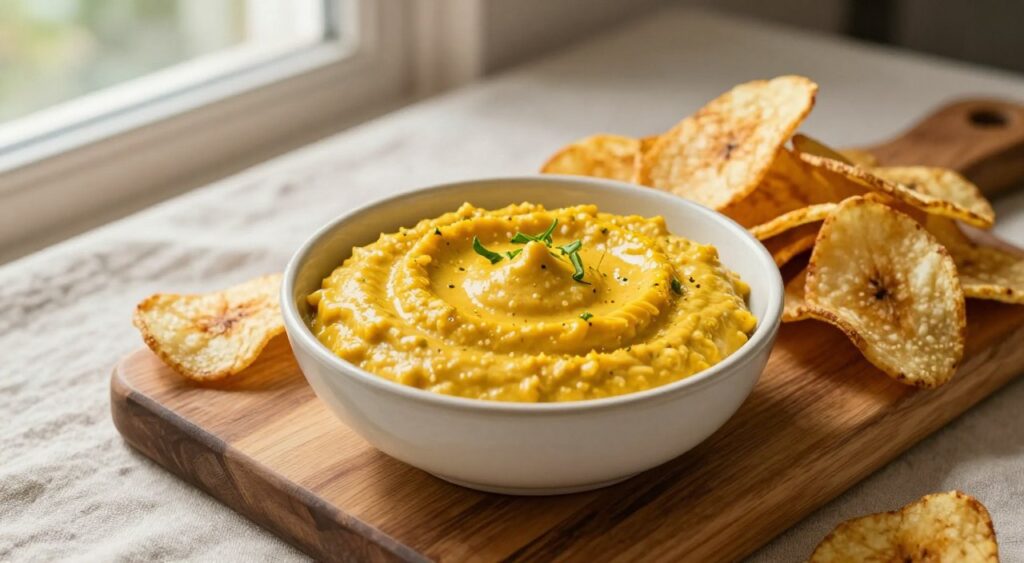
Mastering Your Turmeric Lime Dip
Your dipping sauce becomes the star attraction when you achieve the perfect flavor harmony. This vibrant accompaniment brings excitement to every bite of your crispy creation.
Balancing Zesty Lime with Warm Turmeric
Start with the foundation of your recipe. Fresh lime juice provides the bright, citrusy notes that cut through richness.
Turmeric adds earthy warmth and golden color. Begin with a teaspoon and adjust to taste. Add a pinch of salt to enhance all the flavors.
Enhancing the Dip with Optional Seasonings
Personalize your creation with simple additions. A bit of garlic powder or fresh minced garlic adds savory depth.
Ground cumin introduces warm, nutty notes. For gentle heat, try cayenne pepper or red pepper flakes.
Fresh herbs like cilantro bring brightness. These enhancements make your dip perfect for your plantain chips.
Experiment to discover your favorite combination. Each variation creates a unique dipping experience.
Exploring Variations: Baked vs. Air-Fried Options
The equipment you use plays a crucial role in determining texture and cooking time. Both methods create delicious results, but they offer different advantages for your snack preparation.
Your air fryer delivers exceptional crispiness in record time. Preheat to 370°F and spray the basket lightly. Arrange slices in a single layer without overlap. Cook for 6-8 minutes, then flip for another 5 minutes.
Total air fryer time typically runs 10-13 minutes. The circulating hot air creates that perfect golden-brown finish many people love.
The traditional baked approach uses your oven at 350°F. Place prepared slices on parchment-lined sheets. Bake for about 18 minutes until evenly golden.
While baked versions may be slightly less crispy, they handle larger batches efficiently. You can use multiple sheets simultaneously in your oven.
Your choice depends on time constraints and texture preferences. Both methods help you make plantain chips that suit your dietary needs perfectly. Experiment to discover which technique works best with your kitchen setup.
How to Perfectly Store and Reheat Your Snacks
You’ve just created a batch of delicious, crispy snacks. Now, let’s make sure they stay that way for days to come. Proper storage is the final, crucial step to enjoying your homemade creation.
Tips for Maintaining Crispness
The number one rule is to let your snacks cool completely. Rushing this step traps steam, which is the enemy of crispiness. Patience here ensures a perfect texture later.
For the best results, leave them uncovered on your counter. Air circulation keeps them dry and crunchy. If you need a covered container, make sure they are bone-dry first.
Layer them with paper towels inside the container. The paper absorbs any lingering moisture. This simple trick is a game-changer for freshness.
Always store your snacks in a cool, dry spot. Keep them away from heat sources and fresh fruit. This prevents softening and preserves that satisfying crunch you worked so hard to achieve.
Troubleshooting Your Chip-Making Process
Sometimes even the most carefully prepared snacks need a little fine-tuning. If your results vary between batches, don’t worry. Small adjustments to your technique can transform inconsistent outcomes into perfect crispiness every time.
Adjusting Slicing Techniques and Oil Application
Uniform thickness is crucial for even baking. If you struggle with consistent slices using a knife, consider an inexpensive mandolin slicer. This tool ensures each piece measures exactly 1/8 inch thick.
Apply consistent pressure when slicing and always use the safety guard. Your slices will cook at the same rate when they share identical dimensions.
For oil application, aim for a thin, even coating rather than drenching. Toss your slices in a large bowl with avocado oil. Massage the oil onto both sides of each piece if necessary.
Too much oil creates greasy chips, while too little leaves dry spots. The goal is complete coverage without excess. Don’t forget to lightly grease your parchment paper too.
If you follow a gluten-free diet, verify that your baking sheet and parchment paper are free from contamination. Avocado oil’s high smoke point makes it ideal for high-temperature baking.
Examine any less-crispy pieces—they’re likely slightly thicker than the perfect ones. This tells you exactly where to focus your slicing efforts next time. Remember that natural variation means some batches will be easier to work with than others.
Savoring Your Creation: Enjoying Keto Plantain Chips
Your culinary journey culminates in discovering the many ways to enjoy your homemade creation. These crispy delights work beautifully as a standalone snack when you crave something satisfying.
Serve your golden plantain chips with various dips beyond the turmeric lime recipe. They pair wonderfully with guacamole, salsa, or hummus. You can even use them as a base for creative nachos.
Consider adding this recipe to your weekly meal prep routine. Having these chips ready makes healthy snacking effortless. They work perfectly as a side dish with grilled meats too.
Experiment with different variations using yellow brown fruits for a sweeter version. Add cinnamon with a touch of sugar-free sweetener. Or try savory options with different spices and a pinch of salt.
I’d love to hear about your experience with this gluten free creation. Please leave a comment below sharing your favorite way to enjoy these homemade plantain treats. Your feedback helps build our cooking community!
FAQ
Can I use yellow or brown plantains for this recipe?
For the crispiest results, we highly recommend using green ones. They are lower in natural sugar and have a starchier texture, which is perfect for creating a crunchy, gluten-free snack. Riper fruit contains more sugar and tends to soften and burn more easily in the oven.
Why is it important to slice the plantains so thinly and uniformly?
A> Achieving a consistent thickness with each slice is the secret to even cooking. If some pieces are thicker, they will remain chewy while thinner ones might burn. Using a mandoline slicer can help you get perfect, paper-thin rounds every time, ensuring your entire batch bakes up crispy.
My chips came out soggy. What did I do wrong?
A> Sogginess usually happens if the slices are overcrowded on your baking sheet. They need space for hot air to circulate. Make sure you arrange them in a single layer without overlapping. Also, patting the slices completely dry with a paper towel before adding oil is a crucial step to remove excess moisture.
How long can I store these homemade snacks?
A> Once they have cooled completely, store your baked creations in an airtight container at room temperature. They will stay fresh and crispy for up to 3-4 days. For longer storage, you can keep them in the refrigerator, but they may lose a bit of their signature crunch.
What’s the best oil to use for baking?
A> Avocado oil is an excellent choice because of its high smoke point and neutral flavor. It helps the slices get beautifully golden and crisp without burning. You can also use melted coconut oil if you enjoy a subtle, sweet flavor that pairs well with the dip.
Can I make these in an air fryer instead of an oven?
A> Absolutely! An air fryer is a fantastic alternative. The process is very similar: arrange the slices in a single layer in the basket and cook at 375°F. They typically cook faster, so start checking for crispness around the 8-minute mark, shaking the basket halfway through.